Frequently asked questions
Common questions about the FREEDOM trial, Callavid®, and what participation involves.
About Callavid®
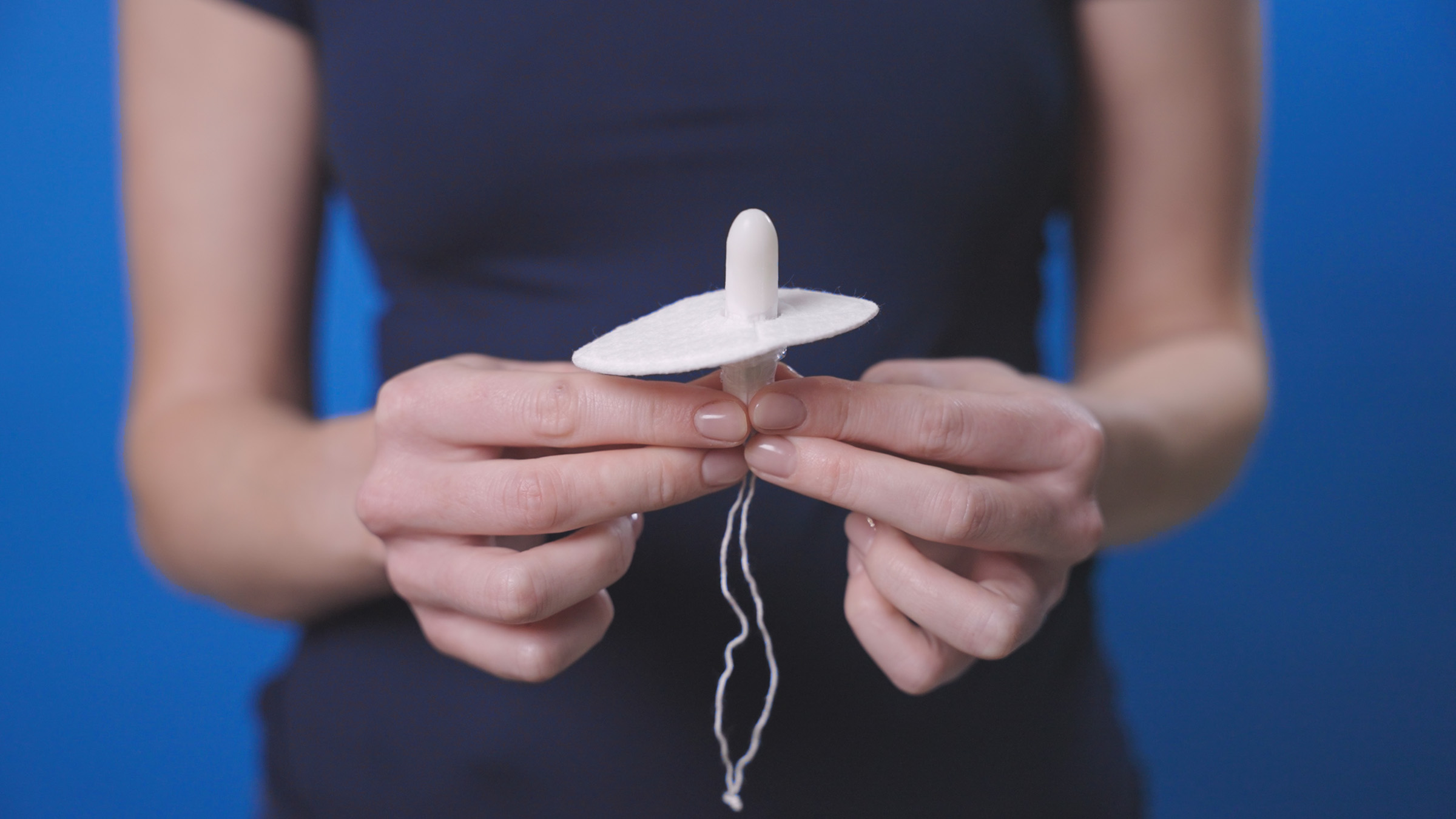
400mg progesterone Callavid® is an investigational drug-device combination product that combines a tampon-based delivery platform with a progesterone formulation. It contains the same type and dose of progesterone (400mg) as currently prescribed pessaries like Cyclogest®, but is designed to hold the progesterone in place within the vagina during use.
Unlike traditional pessaries which can cause leakage and require women to lie down after insertion, Callavid® is designed to absorb any leakage so users don't need to lie down or worry about leakage onto clothes. The tampon-based design features a plastic cover, progesterone component, transparent sleeve, liner, and tampon string for easy removal.
No, 400mg progesterone Callavid® is an investigational product and is not yet approved for routine clinical use. The FREEDOM trial is designed to gather data on safety, progesterone delivery, and usability to inform future clinical development.
About the study
The primary objective is to assess whether Callavid® can safely deliver vaginal progesterone into the bloodstream compared with Cyclogest®. Secondary objectives include exploring progesterone levels when using Callavid® for 2-hour and 3-hour wear times.
Luteal phase insufficiency is a condition where progesterone levels after ovulation may be too low to support early pregnancy. The luteal phase is the second half of the menstrual cycle, and adequate progesterone during this time is essential for preparing the uterine lining for a potential pregnancy.
The FREEDOM trial uses a crossover design with 3 study rounds, each lasting 7 days. In Rounds 1 and 2, participants are randomly assigned to use either Cyclogest® or Callavid® (worn for 2 hours), then switch to the other product. In Round 3, all participants use Callavid® only with a 3-hour wear time to assess safety and usability with longer wear.
Miscarriage affects over 150,000 women each year in the UK. The current method of delivering vaginal progesterone through pessaries can cause considerable distress due to leakage. Health economists estimate the avoidable cost to the NHS and economy from leaky pessaries is £236 million per year. This research explores whether Callavid® offers a better alternative.
Participation details
The study lasts up to 4 months total. Each of the 3 study rounds lasts 7 days, with each round taking place during a new menstrual cycle. You will have up to 6 hospital visits during this time.
During each hospital visit, you will have 3 blood samples taken to measure progesterone levels. You will also complete questionnaires about your experience. Tea, coffee, snacks and lunch are provided during your visits.
Yes. You will receive £100 per hospital visit (up to £600 total). Additionally, reasonable childcare costs are reimbursed, and travel and parking expenses are covered.
Yes, participation is completely voluntary and you can leave the study at any time without giving a reason. Withdrawing will not affect your NHS care in any way.
You may be eligible if you: have attended the UHCW miscarriage clinic under Prof. Quenby, have been diagnosed with luteal phase insufficiency, have experienced one or more miscarriages, are aged 18-45, are not currently pregnant or breastfeeding, and have a clear understanding of written/spoken English.
Safety & rights
The study has full ethics approval, clinical trial insurance, and ongoing safety monitoring. We will ask about any side effects (adverse events) as part of our safety data collection. The progesterone used is a well-known drug commonly prescribed for miscarriage prevention and IVF. Common side effects include sleepiness, fatigue, abdominal discomfort, hot flush, and breast tenderness. Uncommon side effects may include headache, dizziness, mood changes, or skin rash. Toxic Shock Syndrome (TSS) risk is very low and further minimised by Callavid®'s less absorbent material and shorter wear time compared to a tampon. Please report any side effects to the research team so we can review them.
Yes, your data is protected and anonymised. All personal information is handled in accordance with data protection regulations and will only be used for research purposes.
The data generated in this study will help inform future clinical development of Callavid®. Results may be published in medical journals and presented at conferences, but your identity will never be revealed. Learning from women's experiences at this early stage will help guide future research into better ways of delivering progesterone.
No, declining to participate or withdrawing from the study will not affect your NHS treatment in any way. Your medical care will continue as normal regardless of your decision about the study.