
About the FREEDOM trial



Overview
The FREEDOM trial is a study comparing two methods of progesterone delivery.
Cyclogest® 400mg
Current standard
Cyclogest® 400mg is an established pessary and dosage used to deliver progesterone vaginally. It is commonly prescribed for women experiencing threatened miscarriage or undergoing fertility treatment.
Callavid® 400mg
New Device
400mg progesterone Callavid® is a tampon-based device designed to help hold the progesterone pessary in place within the vagina during use. It's designed to absorb leakage so users don't need to lie down.
Important note
400mg progesterone Callavid® is an investigational drug-device combination product and is not yet approved for routine clinical use. The data generated in this study will help inform future clinical development.
How the trial works
Participants will be randomly prescribed one product to start, then cross-over to the other.
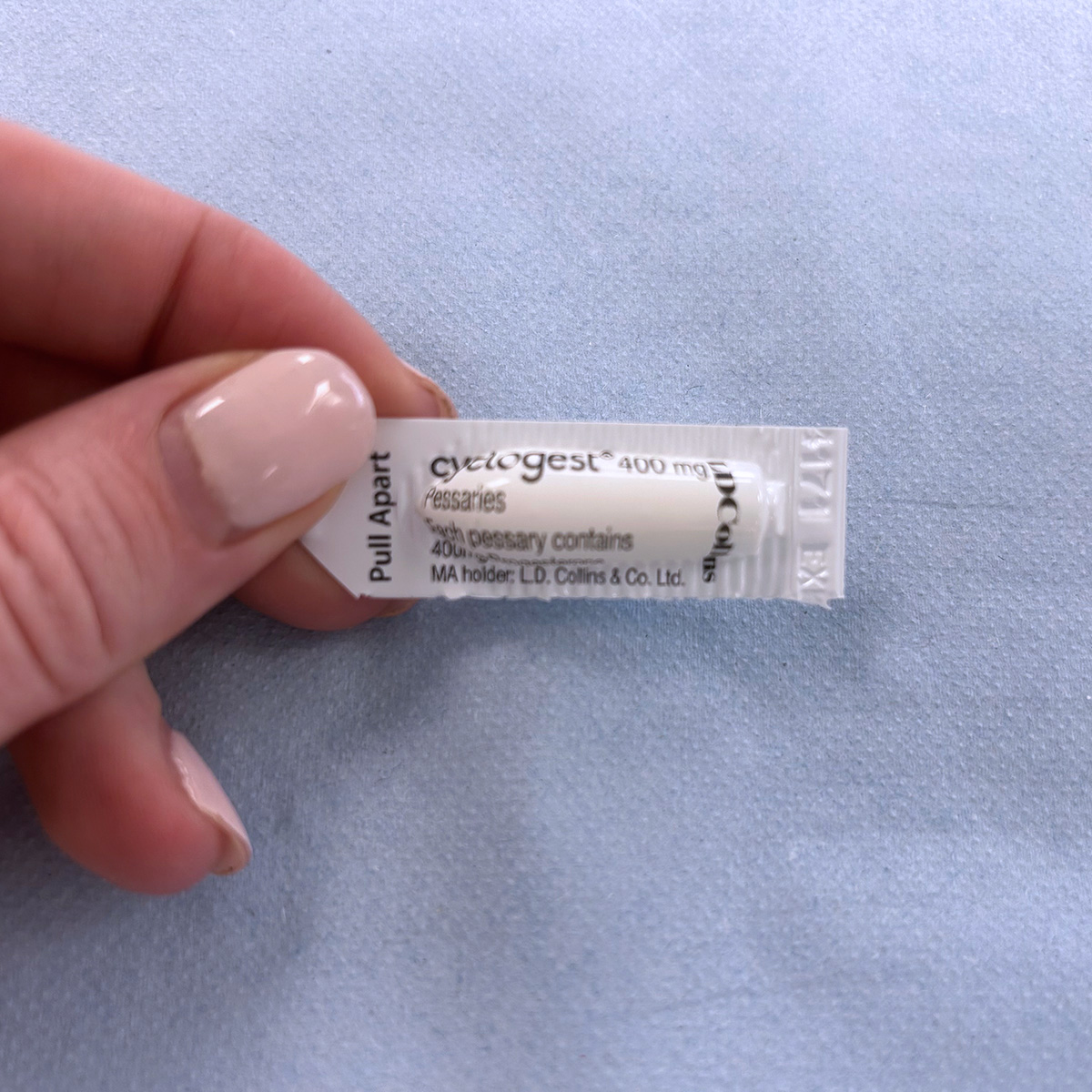
Cyclogest® 400mg
Standard pessary
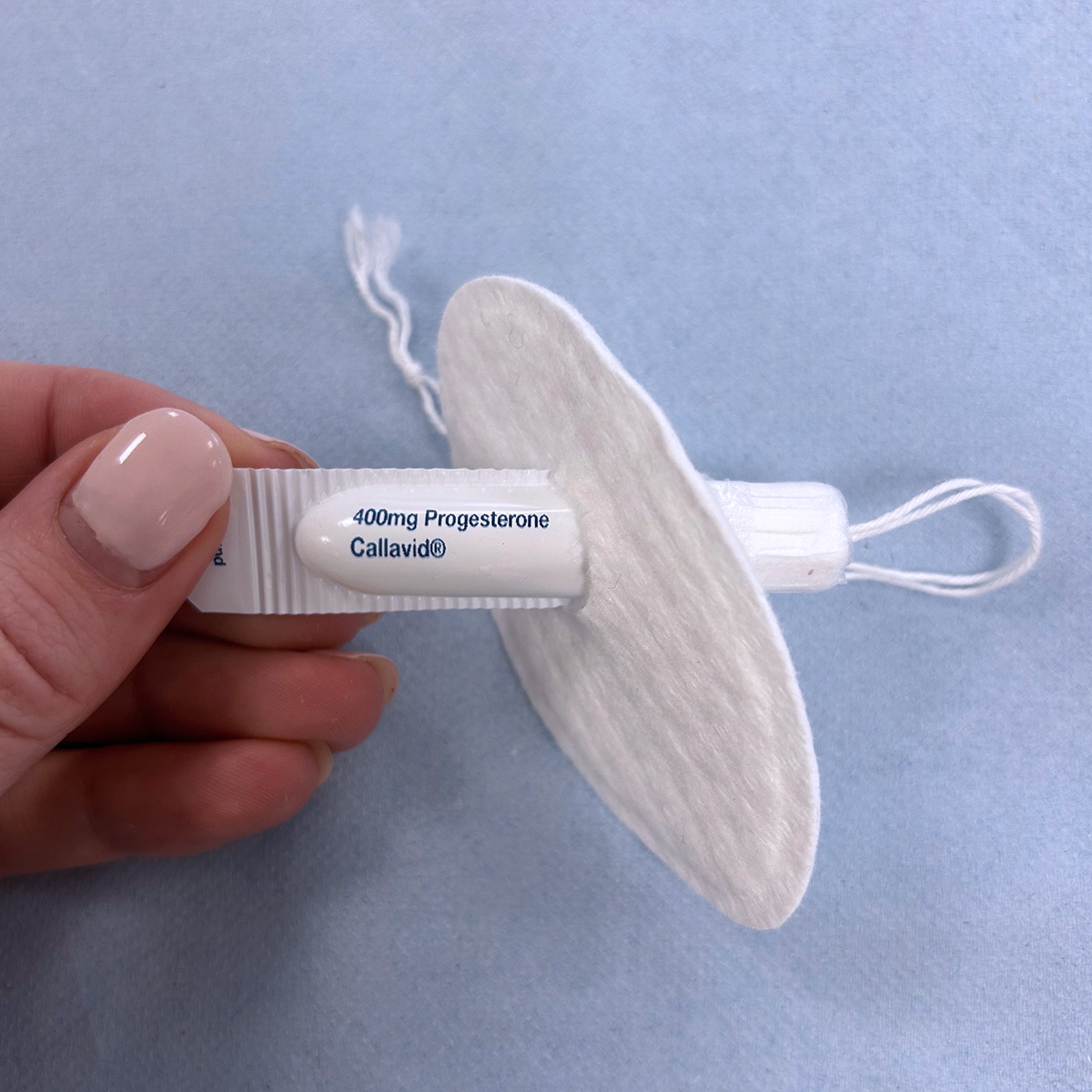
Callavid® 400mg
Investigational device
Not for pregnant women
Although progesterone is commonly used during early pregnancy, the FREEDOM trial focuses on women who are trying to conceive. This helps researchers safely study the device before pregnancy.
Study timeline
If you take part, you will be randomly assigned to use either Cyclogest® or Callavid® first.
First treatment
Cyclogest® or
Callavid® (2hr wear-time)
Second treatment
Switch to other product
Final treatment
Callavid® only (3hr wear-time)
What is luteal phase insufficiency?
The trial focuses on a condition where progesterone levels after ovulation may be too low to support early pregnancy.
The luteal phase
The second half of the menstrual cycle, occurring after ovulation. During this time, the body produces progesterone to prepare the uterine lining.
Common uses for progesterone
- 1Luteal phase insufficiency
- 2In-vitro fertilisation (IVF)
- 3Preterm birth prevention
- 4Threatened miscarriage